
Book Appointment Now

CE-CT Scan
High-precision, contrast-guided 3D imaging for detailed soft-tissue, organ, and vascular diagnosis.
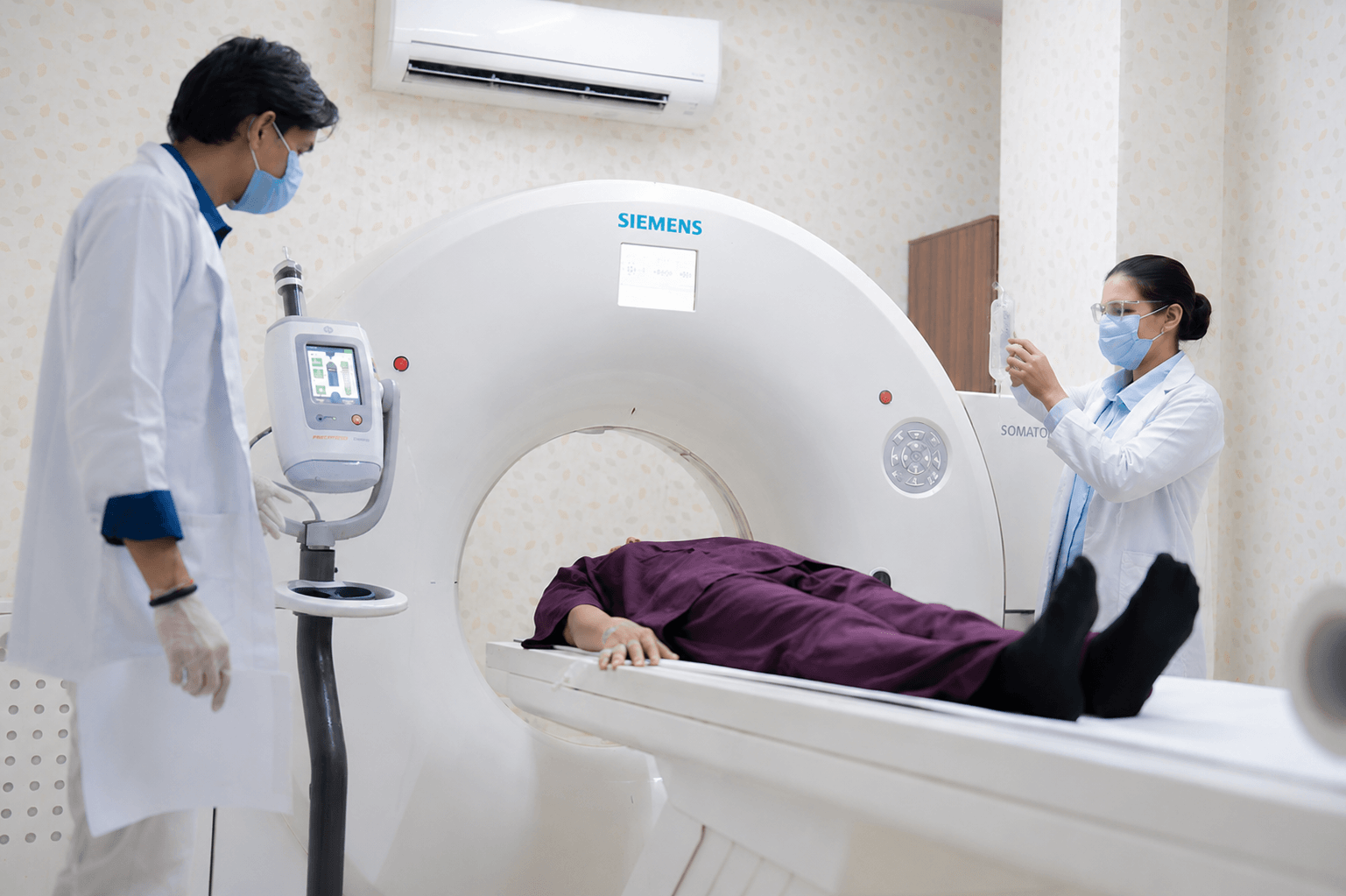
Contrast-Enhanced Computed Tomography (CECT Scan)
A CT scan enhanced with an intravenous contrast dye. The contrast medium temporarily alters how X-rays interact with body tissues. As the dye flows through your bloodstream, it highlights blood vessels, soft tissues, lymph nodes, and internal organs in vivid detail. This allows senior radiologists to detect subtle abnormalities—such as small tumors, hidden infections, arterial blockages, and vascular leaks—that are invisible on standard non-contrast (NCCT) scans..
Technology:
Full-Field Digital Mammography (FFDM)
Full-Field Digital Mammography (FFDM)
Scan Duration:
10–20 Minutes
10–20 Minutes
Fasting:
4–6 Hours Fasting Required
4–6 Hours Fasting Required
Report Delivery:
Within 1 Hours
Within 1 Hours
Commonly Booked Tests
-
CECT ABDOMEN +TRIPLE PHASE
₹10,500.00 -
CECT ABDOMEN DUAL PHASE
₹9,500.00 -
CECT BRAIN
₹3,500.00 -
CECT CHEST
₹5,000.00 -
CECT CHEST +UPPER ABDOMEN
₹10,500.00 -
CECT CHEST NECK BRAIN
₹11,000.00
What to expect
A small IV line is placed and contrast is injected during the scan. Some patients feel a warm flushing sensation throughout the body and a metallic taste in the mouth for 20–30 seconds. This is completely normal and fades quickly. You’ll be observed for a few minutes afterward.
Prep Instructions
4–6 hours fasting typically required. A recent kidney function test may be needed. Inform staff of allergies or asthma. Wear comfortable, metal-free clothing (remove zippers, clips, and jewelry). Stay hydrated after to quickly flush out the contrast dye.
FAQ’s
Why is a Serum Creatinine (KFT) test mandatory before a CECT?
The iodinated contrast dye used in CECT scans is processed and excreted from the body via your kidneys. If a patient has impaired renal function, the kidney may struggle to filter the contrast, leading to a condition called Contrast-Induced Nephropathy (CIN). Checking your Serum Creatinine level ensures your kidneys are functioning normally and can process the dye safely.
What does the contrast injection feel like? Are there side effects?
When the contrast dye is injected, it is common to feel a sudden warm, flushing sensation spreading through your body, along with a mild metallic taste in your mouth or a feeling like you need to urinate. These sensations are completely normal and subside within 30 to 60 seconds. Minor side effects like slight nausea or localized mild warmth are rare and temporary. Severe allergic reactions are extremely rare and our medical staff is equipped with emergency medications on standby.
How is CECT different from standard NCCT?
An NCCT uses no injected dye and relies purely on standard X-ray density (ideal for bone fractures, acute brain bleeds, and kidney stones). A CECT uses injected iodine dye to light up blood vessels and soft tissues, making it essential for detecting tumors, organ infections, blood clots, and vascular blockages.
What if I am diabetic and taking Metformin?
If you take Metformin (or combination drugs containing Metformin) for type 2 diabetes, you must inform our staff beforehand. In some cases, your doctor may ask you to hold Metformin on the day of your CECT scan and for 48 hours post-scan to prevent rare kidney interactions. Always consult your referring physician before modifying medication.
Can I get a CECT scan if I am breastfeeding?
Yes. Minute amounts of contrast dye enter breast milk, but less than 1% is absorbed by the infant’s digestive system. Current ACR (American College of Radiology) guidelines state that it is safe to continue breastfeeding. However, if you prefer to be cautious, you may express and save breast milk before your scan to feed your infant for 24 hours post-procedure.